
Guyanese David Dabydeen Nominated for 2026 Nobel Prize in Literature
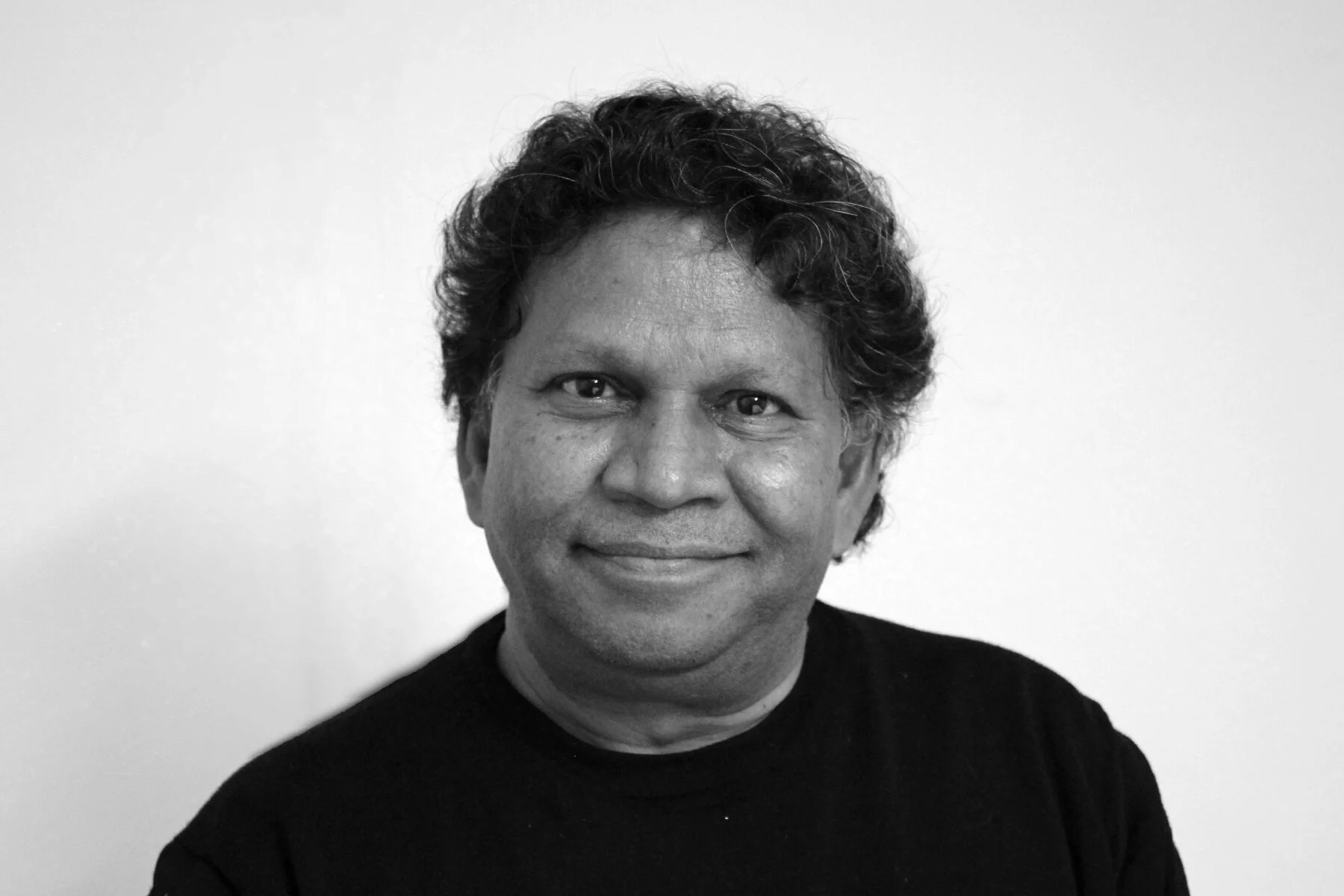
In a watershed moment for Guyanese literature and the wider Caribbean arts community, celebrated novelist, poet, and academic David Dabydeen has been nominated for the 2026 Nobel Prize in Literature.
The announcement has sent ripples of pride throughout Guyana, placing the Berbice-born writer in the same rarefied air as Caribbean titans Derek Walcott and V.S. Naipaul. If successful, Dabydeen would become the first Guyanese national to receive the world’s most prestigious literary honor.
From the Canje to Cambridge
Born in 1955 in Brighton Village on the Corentyne Coast, Dabydeen’s journey from a rural sugar-plantation community to the hallowed halls of Cambridge University is a narrative as compelling as his fiction.
His work has long been celebrated for its unflinching examination of the colonial experience, the indentureship system, and the complexities of Caribbean identity. His nomination cites his “masterful excavation of the silenced voices of history” and his “linguistic virtuosity in bridging the Creole and the Classical.”
“This is not just a personal honor, but a recognition of the ancestors whose stories I have tried to tell,” Dabydeen said in a brief statement from his home in the UK earlier today. “To have the rhythms of Berbice recognized on the global stage is a testament to the power of our culture.”
A Literary Giant
Dabydeen is the author of seven internationally acclaimed novels and three collections of poetry. He first burst onto the scene with “Slave Song” (1984), a collection of poetry written in Guyanese Creole that won the Commonwealth Poetry Prize. The collection was revolutionary for its raw, lyrical depiction of the brutality and eroticism of plantation life.
His 1991 novel, “The Intended,” remains a seminal text in post-colonial studies, exploring the immigrant experience in London. More recently, works like “A Harlot’s Progress” and “Johnson’s Dictionary” have showcased his ability to reimagine 18th-century British history through the eyes of the marginalized West Indian subject.
Dr. Al Creighton, a literary critic at the University of Guyana, described the nomination as “long overdue.”
“David Dabydeen has done for the Indo-Caribbean experience what Walcott did for the Afro-Caribbean verse,” Creighton noted. “He has taken the ‘coolie odyssey’ and elevated it to the level of Homeric epic. His work challenges the British canon from the inside out.”
The Road to Stockholm
The Nobel Prize in Literature is awarded annually by the Swedish Academy to an author who has produced “the most outstanding work in an ideal direction.”
While Dabydeen faces stiff competition from literary heavyweights across Europe and Asia, analysts believe the Academy’s recent focus on post-colonial narratives strengthens his bid.
President Irfaan Ali issued a statement congratulating the Professor, calling him a “true son of the soil.”
“Professor Dabydeen has served Guyana as an Ambassador and as a cultural icon,” the President stated. “His pen has been a sword fighting for the dignity of our people. Win or lose, Guyana stands tall today.”
Key Works by David Dabydeen
-
Slave Song (1984): Commonwealth Poetry Prize Winner.
-
The Intended (1991): Guyana Prize for Literature Winner.
-
The Counting House (1996): A harrowing historical novel on Indian indentureship.
-
A Harlot’s Progress (1999): Shortlisted for the James Tait Black Memorial Prize.
The winner of the 2026 Nobel Prize in Literature is expected to be announced on Thursday, October 15, in Stockholm, Sweden.