
The Price of a Turncoat: Analyzing the Anatomy of James Bond’s Political “Conscience.”
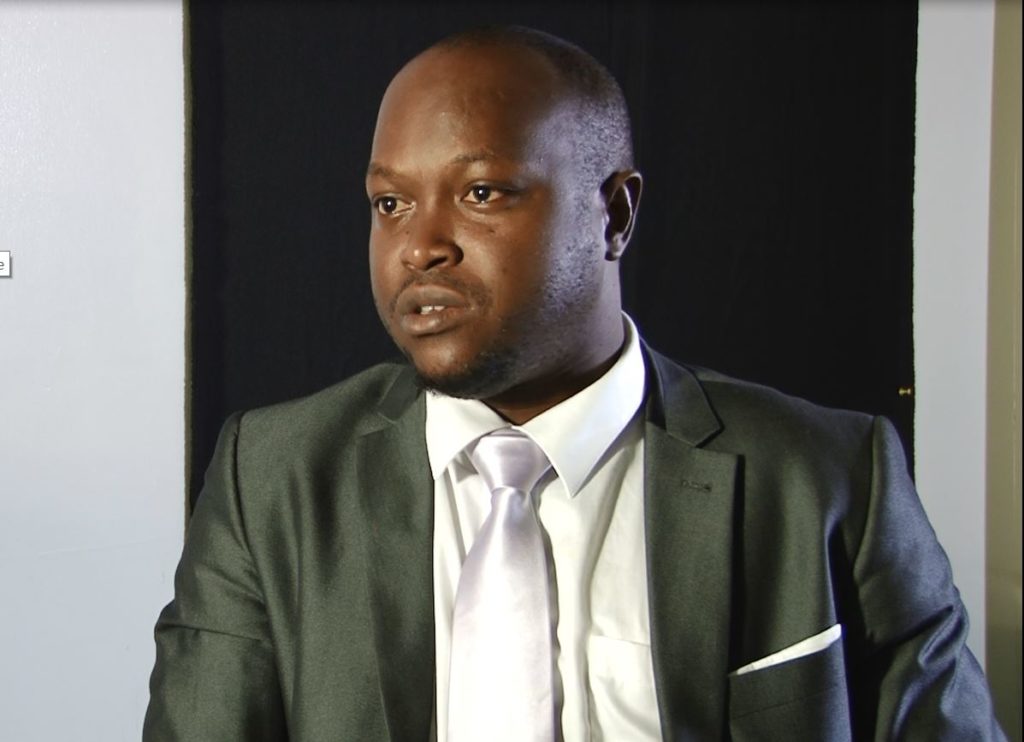
In the high-stakes theater of Guyanese politics, few things are as theatrical as a “vow of eternal loyalty.” For years, James Bond—a lawyer, former Member of Parliament for the PNCR, and once a self-described “firebrand” for the APNU/AFC—stood as a vocal guardian of the palm tree. He frequently took to social media and public platforms to reassure the PNC faithful that he would “never” cross the floor to the People’s Progressive Party (PPP).
However, as the 2025 General Elections approached, that vow appeared to evaporate. By August 2025, Bond was seen not just in the company of the PPP/C, but actively campaigning on their platform, praising President Irfaan Ali as “trustworthy” and outlining the PPP’s 2025–2030 Manifesto.
For many Guyanese voters, the “James Bond Crossover” is more than just a change of heart; it is a case study in why political loyalty in Guyana is often viewed as a commodity rather than a conviction.
The “Never PPP” Pledge vs. The August Surprise
Historically, Bond was a fierce critic of the PPP/C administration. He built a brand on being “PNC to the bone,” often using his legal and political platform to challenge the government. Yet, the 2025 campaign season revealed a starkly different reality.
-
The Vow: For years, Bond’s rhetoric framed the PPP as an existential threat to his constituents’ interests.
-
The Pivot: In August 2025, Bond stood before crowds, declaring that his “conscience” led him to support the party that “delivers on promises.”
-
The Inconsistency: This total reversal—from calling the PPP “unfit” to calling their leader “trustworthy”—is why many political analysts suggest that his words carry a short shelf-life.
The Peters Hall Catalyst
Many observers point to the Peters Hall land scandal (2020-2021) as the beginning of the end for Bond’s relationship with the PNC. Bond was embroiled in allegations involving the sub-leasing of state lands, leading to legal battles and significant friction with his own party’s leadership.
In Guyanese politics, when a politician finds themselves under the legal microscope or marginalized by their party’s “inner circle,” a sudden “epiphany” regarding the opposing party often follows. This pattern suggests that such crossovers are often motivated by personal survival or political rehabilitation rather than a genuine shift in ideology.